NETWORK TECHNOLOGY
Comprehensive IT solutions, support, security and automation for your business
Tech support: 24/7
+359 2 958 6535

Lesson in Reliability: 25+ Years Later

What I learned as a System Administrator, IT Project Manager, and Head of IT — practical principles for reliability, security, and peaceful nights.
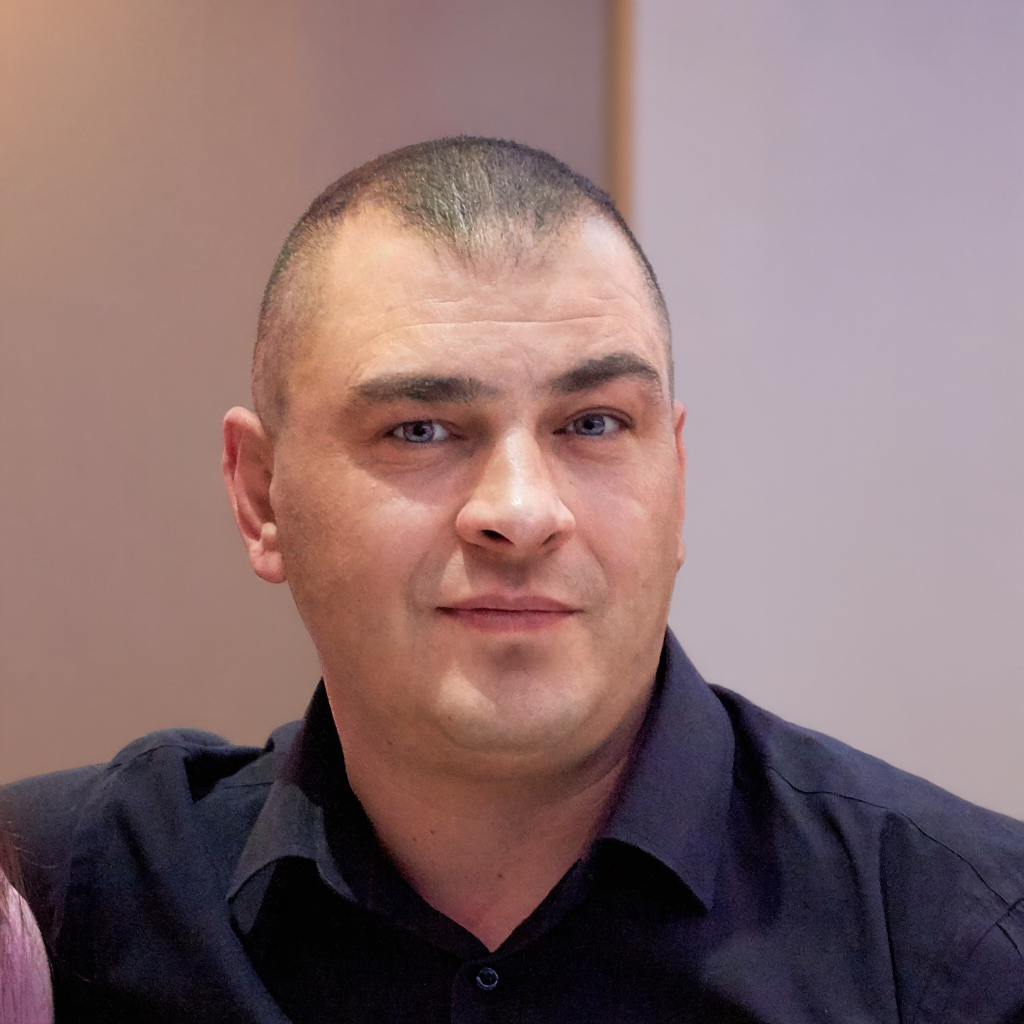
Personal Opinion: 25+ Years in the IT Field

Eng. Svilen Arsov
Eng. Svilen Arsov
Head of IT - Network Technology
LinkedIn Profile →
How It All Started

I began as a system administrator in an environment where “documentation” was an oral tradition and backup meant hope. The first lesson was brutally simple: systems fail where there is no plan B. Over the years I’ve moved through roles like Senior System Administrator, IT Project Manager, and today — Head of IT Department. The common denominator: resilient systems under load and controlled incident response.

Early on, I realized that “it works on my machine” is an anti-pattern. I started introducing standards — naming conventions, versioning, change procedures, least privilege access, and clear role separations. This eliminated unnecessary “heroics” and turned chaos into a predictable process.

At the same time, we built habits for observability: measurable SLOs, alerts with thresholds and actions, traces and metrics, as well as regular post-mortems without blame — only causes and improvements. Small automations (backup verifications, health checks, log rotation, basic playbooks) reduced MTTR and brought silence at 3 a.m.

Gradually, we replaced “one-time tricks” with a platform: segmented networks, high-availability services, rehearsed DR scenarios, and regular recovery tests. Since then, my principle has remained the same: simple, visible, reproducible.

Why I Continue

Because IT can be quiet: no 3 a.m. wake-ups, clear processes, and predictable recovery. The satisfaction comes from a team that works confidently by plan, not heroically “under fire.”

  • Automation that reduces MTTR — not just slides.
  • Observability and security as a routine, not a project.
  • Simpler architecture → fewer surprises.

Most Valuable Lessons from 25+ Years

  • 1) Automation is for calm nights, not pretty reports.
    Silence at 3 a.m., not just graphs at 9. Alerts without noise, playbooks without surprises, recovery without heroics.
  • 2) Transparency toward the business.
    The language is risk → value → time. No “magical IT smoke.”
  • 3) Hidden dependencies are the most expensive risk.
    Map systems and data. Document. Test “what-if” scenarios.
  • 4) A backup doesn’t exist unless it’s been restored.
    Good Friday is not the day for your first restore. Disaster recovery is rehearsed, not improvised.
  • 5) Security is a process, not a project.
    Least privilege, observability, fast reactions, post-mortems without blame — only causes and improvements.
  • 6) Simplicity wins.
    Fewer moving parts = fewer night dramas. HA, not “super-systems with secret rituals.”

How I Think as a Head of IT Department

Reliability → Security → Speed → Cost. In that order. A project is successful if:

  1. A component can fail without the service going down (proper segmentation + HA).
  2. We have measurable visibility (metrics and logs, traces, clear alerts).
  3. Recovery is practiced (DR tests), not theoretical.
  4. The team knows who, how, and why — without a “one-man show.”

My metric for success is MTTR and the peace of the on-call engineer, not ticket count.

Mistakes That Taught Me

  • “We’ll fix it later” — “later” is always more expensive and painful.
  • Silence in monitoring doesn’t mean health — often it means dead alerts.
  • “We don’t have time for documentation” = we don’t have time to scale.

Stack I Respect

Networks and perimeter: MikroTik, OPNsense / WireGuard. Virtualization: Proxmox VE / VMware. Storage: ZFS, Ceph. Monitoring & Security: Zabbix, Wazuh, Fail2Ban. Automation: Ansible.

I don’t chase logs — I chase signals. I don’t chase “new” — I chase resilient.

Advice for Young IT Professionals

  • Basics first, trends later. Networks, OS, file systems, DNS — they never go out of style.
  • Write and draw. Tickets, changes, post-mortems, dependency maps — thinking flows through the pen.
  • Automate small things. Small scripts save big nights.
  • Seek responsibility, not titles. Titles come after weight.

My mantra: “Reliability is engineered, security is built daily, and team calmness is the best metric.”

— Eng. Svilen Arsov

Frequently Asked Questions (Personal Context)

What do I do in the first 30 days with a new client?
Infrastructure map, basic security audit, inventory, critical risks + 30/60/90-day plan.
What lowers MTTR the fastest?
Clear SLO alerts, on-call schedule, communication templates, ready rollback procedures.
“Enterprise” vs “plain & proven”?
I measure MTTR, 3-year TCO, team skills, and dependencies. Simplicity wins if it covers the risks.
Portrait of Eng. Svilen Arsov – Head of IT Department
Eng. Svilen Arsov

Eng. Svilen Arsov

Position: Head of IT

Experience: Efbet, National Palace of Culture, Sofia City Court, NHIF

Focus: Reliability, security, observability, and fast recovery

Education: Computer Science and Telecommunications

Revolut donation QR code

If you appreciate our consultations and IT support, the useful articles and how-to guides on the site, as well as the fact that we test various technical scenarios in a dedicated non-production environment so we can offer better solutions, you can support us with a one-off tip via Revolut and help us keep improving.

Support ntg.bg via Revolut

You can also just scan the QR code with your phone.

© 2026 Network Technology. All rights reserved. · Privacy Policy · Cookie Policy · Terms & Conditions
Subscribe to the RSS feeds above to receive new questions and answers.